This video has no narration.
Practical test
Why it matters
Pulling up on the left is assessed directly. Examiners watch your stopping-place judgement, your mirror and nearside checks, your speed and steering control, and how safely you secure the car and get out afterwards.
What to look out for
Safe, legal, convenient - in that order
A spot that's convenient but not safe or legal isn't a real option. Rule out hazards and restrictions first, then pick from what's left.
Getting out is part of the manoeuvre
Before you open a door, look round and check your mirrors for cyclists. Opening the door with your far hand - the 'Dutch reach' - naturally turns you to look over your shoulder. Check again before you move off, too.
Key steps
- 1 Look well ahead for a stopping place that's safe, legal, and convenient - ruling out junctions, bends, dropped kerbs, driveways, school markings and anywhere restricted, before you need to react to it.
- 2 Check your mirrors early, including your left-hand (nearside) mirror, so you know whether a cyclist or motorcyclist is coming up the inside as you move toward the kerb - and so you have time to slow gradually rather than braking hard once you've picked the spot.
- 3 Signal left only if it would help someone else - approaching traffic, a following vehicle or a pedestrian. On an empty road with nobody to inform, the observation matters more than the signal.
- 4 Ease off the gas and brake progressively, steering gently towards the kerb once the nearside is clear, so the car settles in parallel rather than aiming sharply at it.
- 5 Stop parallel and close to the kerb, then secure the car with the handbrake (or select Park in an automatic). Keep observing before you open a door or move off again - the manoeuvre isn't finished the moment you stop.
Read moreShow less
Common mistakes
Choosing an unsafe or illegal stopping place
Rule out junctions, bends, dropped kerbs, school markings and other restricted spots as you scan ahead, not once you're already slowing down.
Not checking the nearside for cyclists
As you slow towards the kerb a cyclist can be coming up your left. Check your left mirror before you steer in, not just the road ahead.
Braking too late
A late mirror check means a late brake, which turns a planned stop into a sudden one - check early enough that the stop looks unhurried.
Read moreShow less
Example scenarios
Illustrative, AI-generated examples - not real photographs.
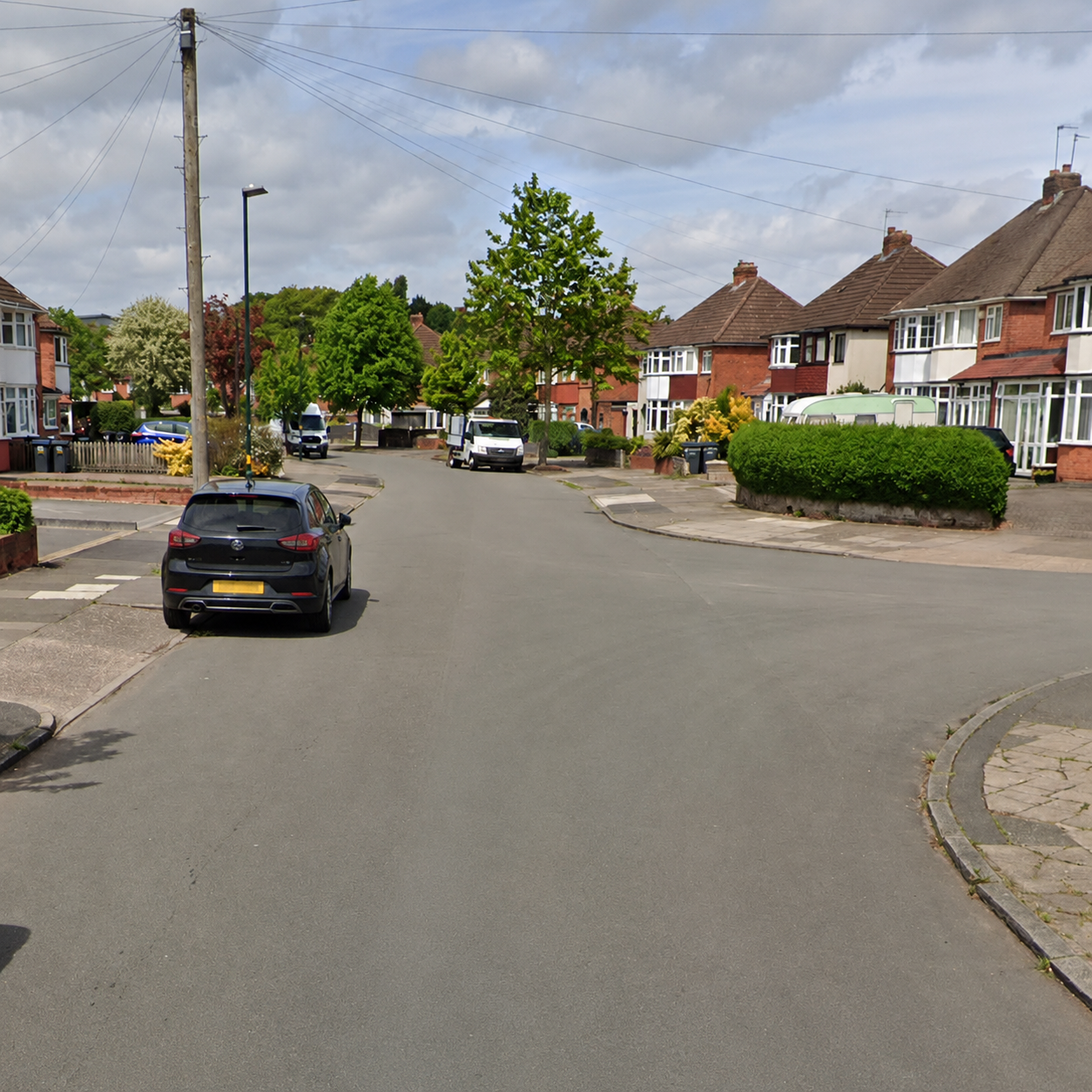 Avoid
Avoid
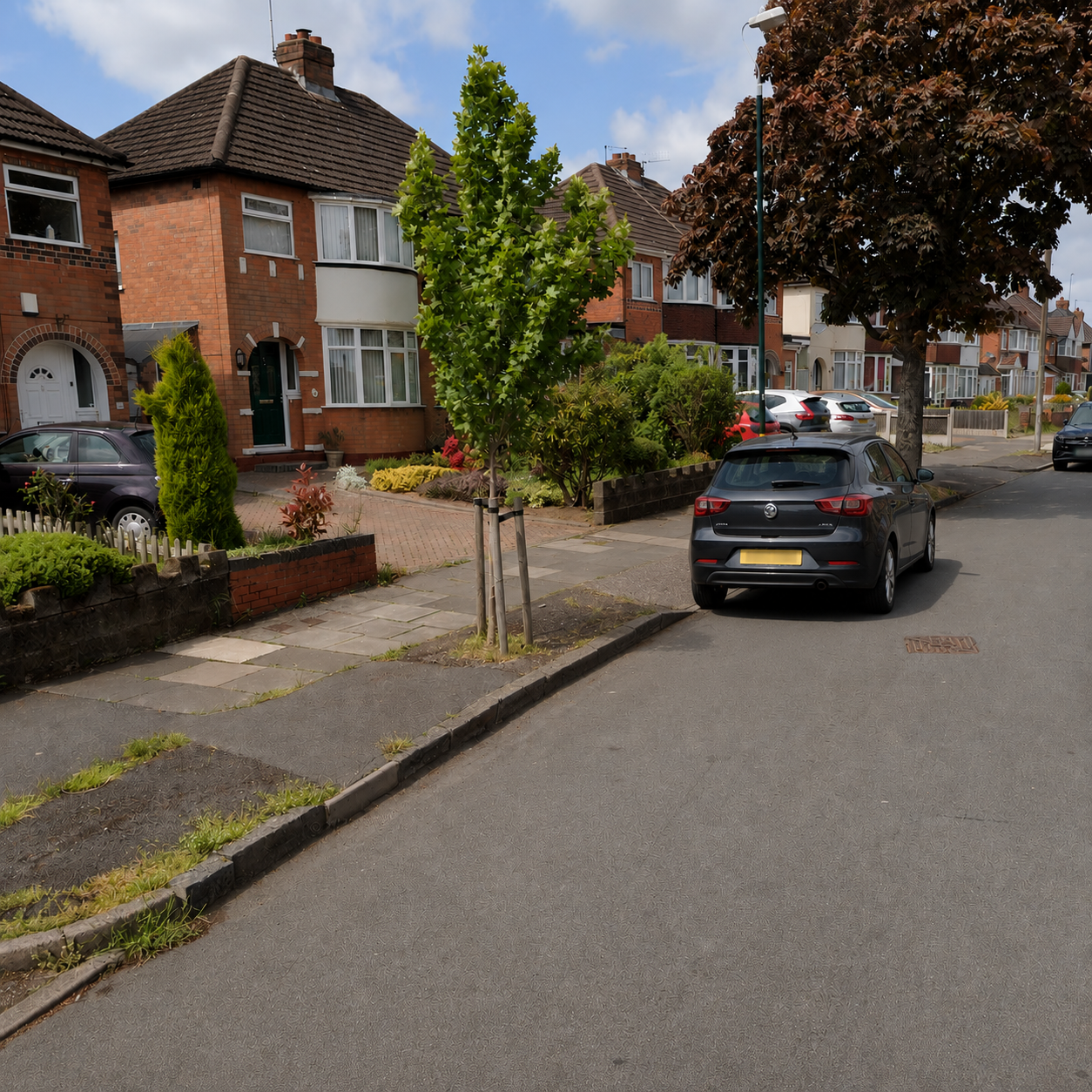 Avoid
Avoid
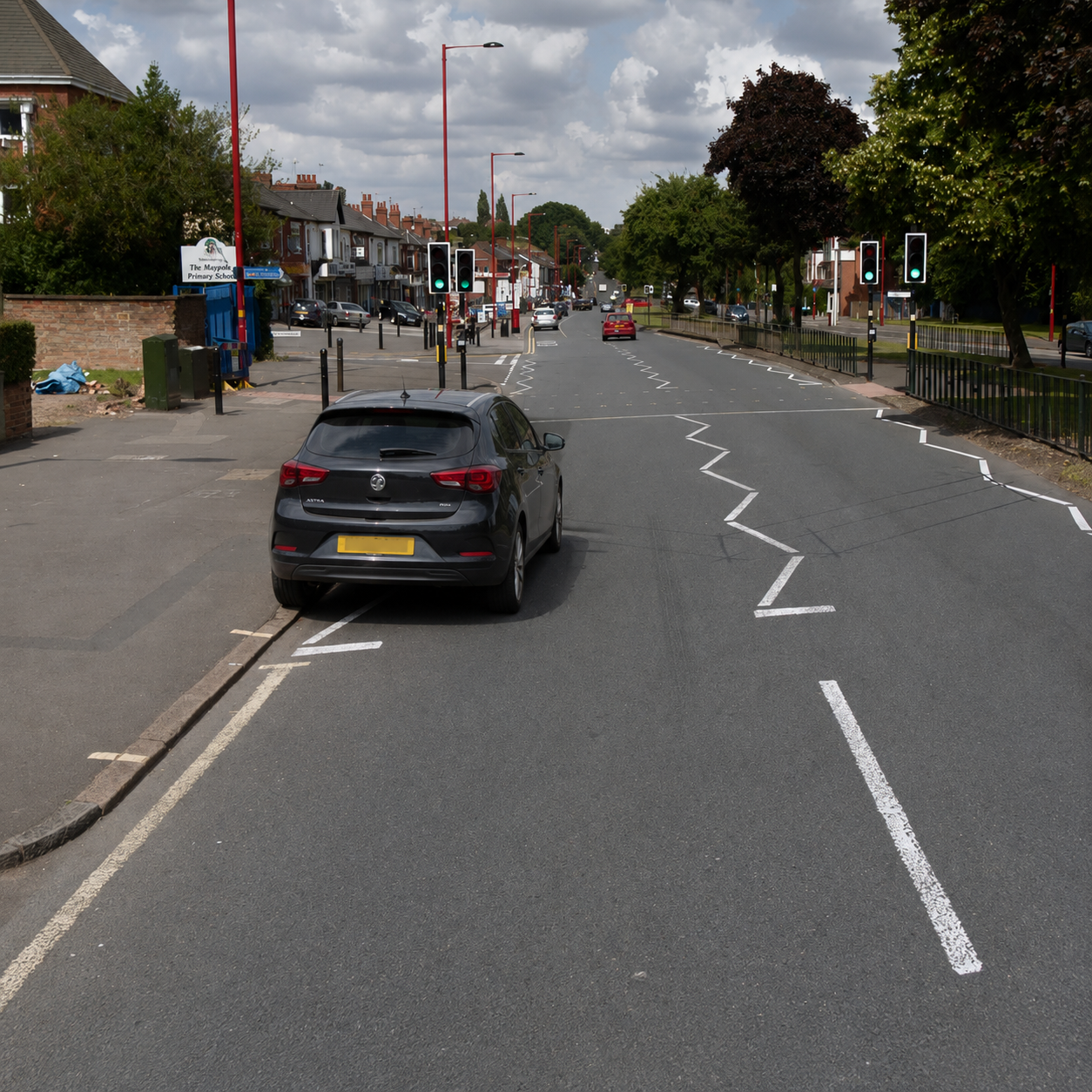 Avoid
Avoid
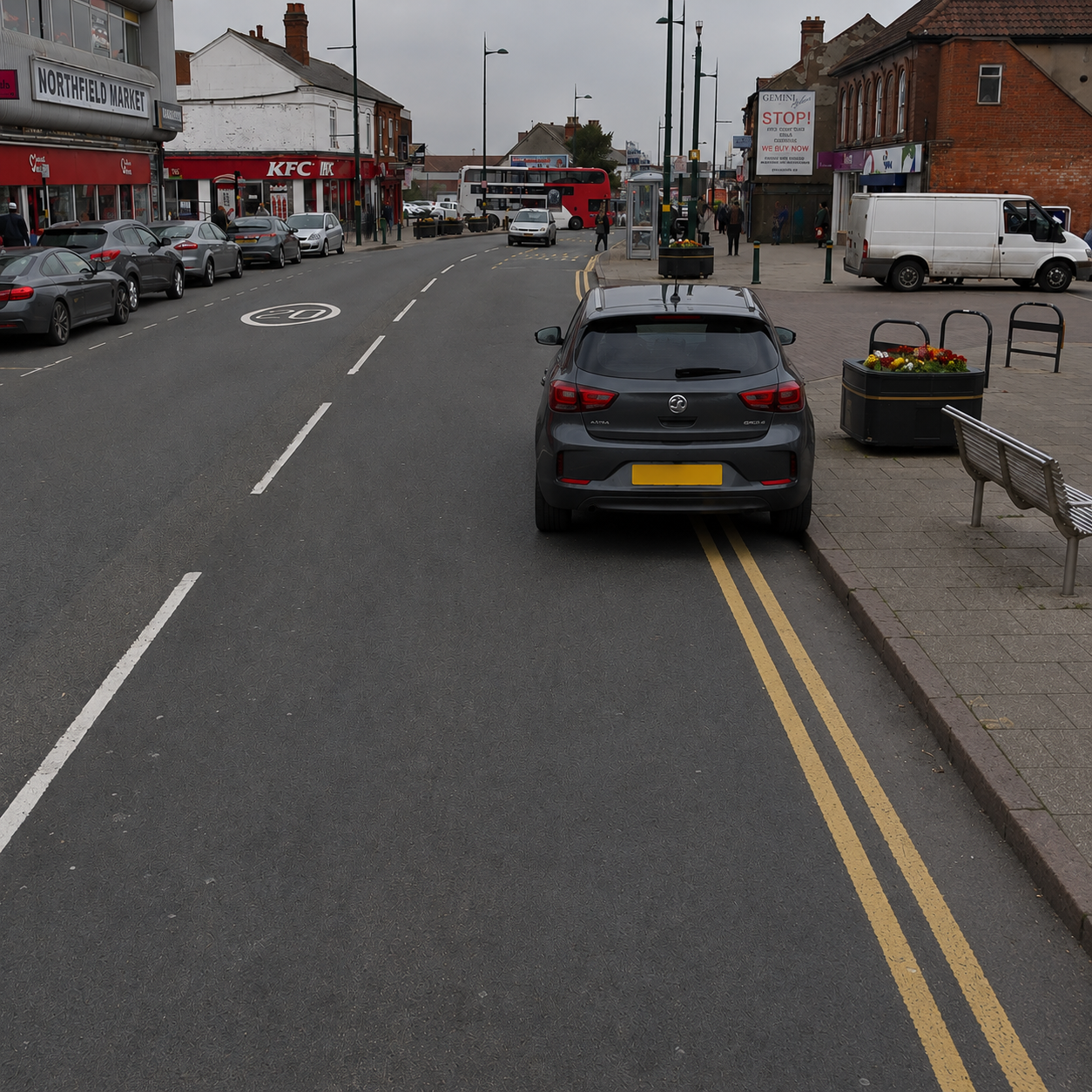 Avoid
Avoid
Read moreShow less
Highway Code
This lesson is a revision aid, not a replacement for The Highway Code.
Rule 243
Do not stop or park near a school entrance, opposite or within 10 metres of a junction, on a dropped kerb, on a bend, or at or near a bus stop.
Read on GOV.UKRule 240
You MUST NOT stop or park on a pedestrian crossing or the zig-zag lines marking it, on double white lines, or in a cycle lane during its hours of operation.
Read on GOV.UKRule 239
You MUST make sure you do not hit anyone when you open your door. Check for cyclists and other traffic, and where you can, open the door with the hand furthest from it so you turn to look behind (the 'Dutch reach').
Read on GOV.UK